

University of Zurich

Universität Zürich (University of Zurich, UZH), our associated partner, contributes specialized expertise that strengthens the scientific and technical foundations of IMPROVE PRETERM. While not a full beneficiary of the grant, the associated partner plays an essential role in data integration, platform development, and long-term sustainability of the project’s research infrastructure.
UZH is one of Europe’s leading research universities and a member of the League of European Research Universities (LERU). With internationally recognized strengths in medicine, the natural sciences, business, and economics, UZH has a long tradition of scientific excellence, reflected in numerous awards and 12 Nobel Prizes awarded to its faculty and alumni.
Within IMPROVE PRETERM, UZH contributes specialized expertise in neonatology, epidemiology, and health data infrastructure. Newborn Research Zurich from the Department of Neonatology serves as the key partner, coordinating the Swiss Neonatal Network & Follow-up Group, which manages SwissNeoNet – the national medical registry covering all very preterm infants born in Switzerland.
As an associated partner, UZH supports data integration, quality assurance, and the long-term sustainability of the project’s data resources. The team also contributes to the development of comparative effectiveness research use cases and works to strengthen long-term outcome monitoring for very preterm children, particularly at early school age.
Mark Adams
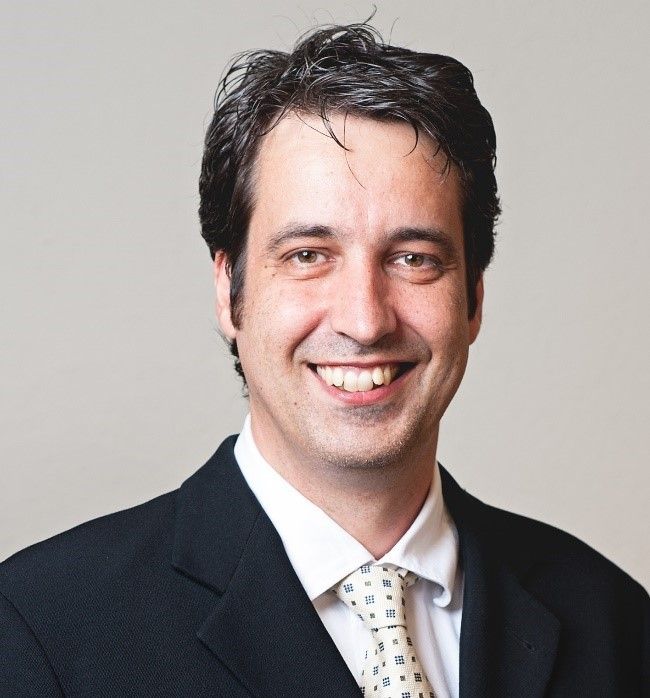
I hold a diploma in microbiology/biochemistry and a doctorate in epidemiology/biostatistics from the University of Zurich. I manage SwissNeoNet, am responsible for quality assurance in Swiss neonatal intensive care units, and conduct research in the field of newborn healthcare and epidemiology in Switzerland. I represent SwissNeoNet’s interests in international networks and chair a Swiss non-profit foundation dedicated to children’s healthcare.
Giancarlo Natalucci
I am an assistant professor at the University of Zurich (since July 2019) and I work as a neonatologist (staff member) at the University Hospital Zurich (Department of Neonatology). Since 2019 I have been leading the NGN Research Center for neurodevelopment, growth and nutrition of the newborn in both institutions.
During my clinical training, I specialized in developmental and behavioral pediatrics and neonatology, with the aim of better understanding how to improve the development of at-risk newborn infants and better support their parents. Since 2008 I have coordinated the national follow-up program for newborns at risk.
My research background spans four areas focused on the neurodevelopment of high-risk infants: neuro-monitoring and neuro-protection in the neonatal intensive care unit, long-term neurodevelopment and quality of life for preterm-born children. In my current role as assistant professor, I embarked on a project on the association between early nutrition and neurodevelopment, with a special interest in human milk and other non-nutritive environmental factors. For this reason, I created a research group working on both clinical (USZ) and basic science (Schlieren Campus) projects.
Maria Martí Prieto
Carolyne Huang
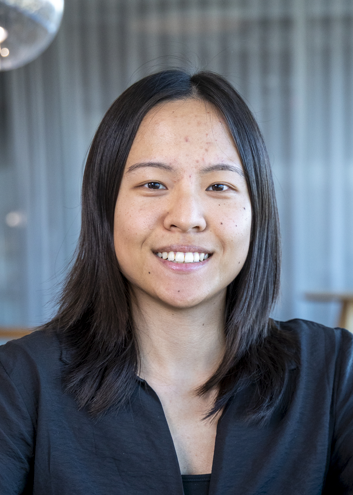
I am a PhD candidate in Epidemiology and Biostatistics working at the registry of the Swiss Neonatal Network. My objective in the IMPROVE PRETERM project, broadly, is to make the most of the observational data contained within our registry as well as in the other cohorts in the RECAP Platform. I would like to improve our understanding of the interventions and traits which influence short- and long-term outcomes of preterm-born children, thereby facilitating evidence-based medicine. My PhD work primarily focuses on causal inference and federated analysis.
Nicola Blom
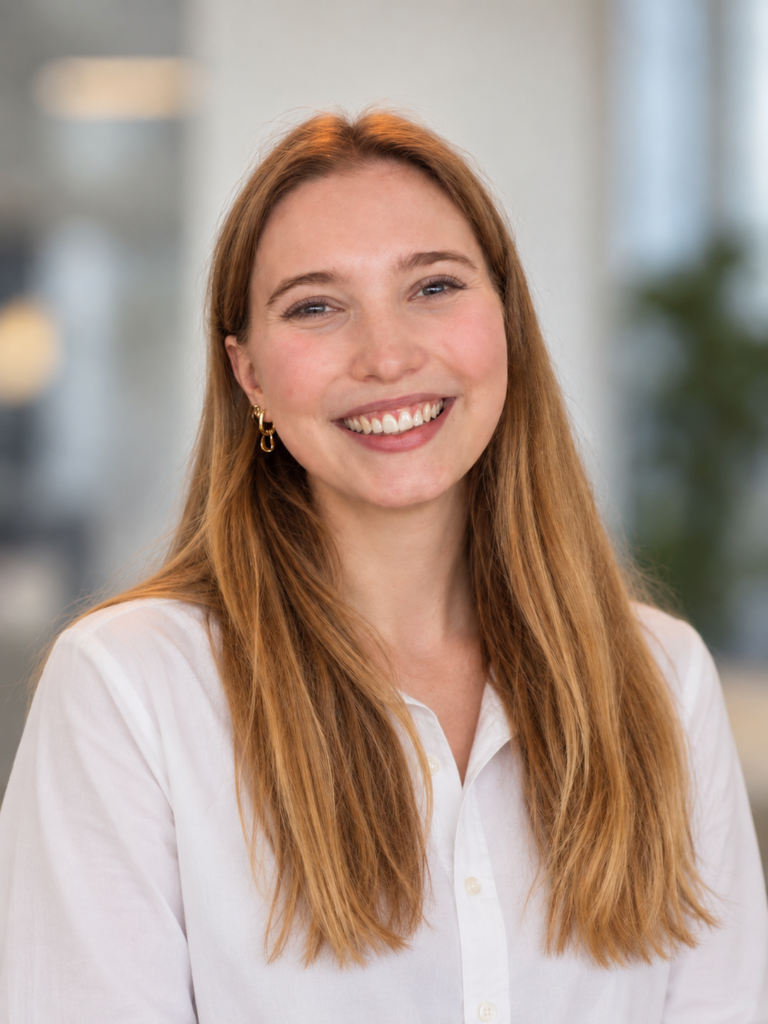
I am a PhD student at the University of Zurich with a background in developmental psychology. My research focuses on long-term outcomes in children at increased risk for developmental difficulties, particularly those born preterm or with intrauterine growth restriction. As part of the IMPROVE PRETERM project, I will be responsible for conducting the developmental assessments needed to validate the German version of the PARCA-CAT.