

Parent & Patient
Advisory Board (PPAB)
The Parent & Patient Advisory Board (PPAB) is at the heart of the IMPROVE PRETERM project. It brings together parents of preterm children and adults who were born preterm themselves to make sure that lived experiences directly shape our research.
By involving those most affected by very preterm birth, the PPAB ensures that our studies, tools, and recommendations truly reflect the needs and priorities of families. Members contribute their perspectives on everything from communication materials and outreach strategies to the design of research tools and policy recommendations.
Throughout the four-year project, PPAB members collaborate closely with researchers, healthcare professionals, and policymakers. Their insights help build a stronger, more family-centered foundation for improving care and long-term outcomes after very preterm birth.


The PPAB is coordinated by the Global Foundation for the Care of Newborn Infants (GFCNI), which leads stakeholder engagement and communication within IMPROVE PRETERM.
Vilni Verner Holst Bloch
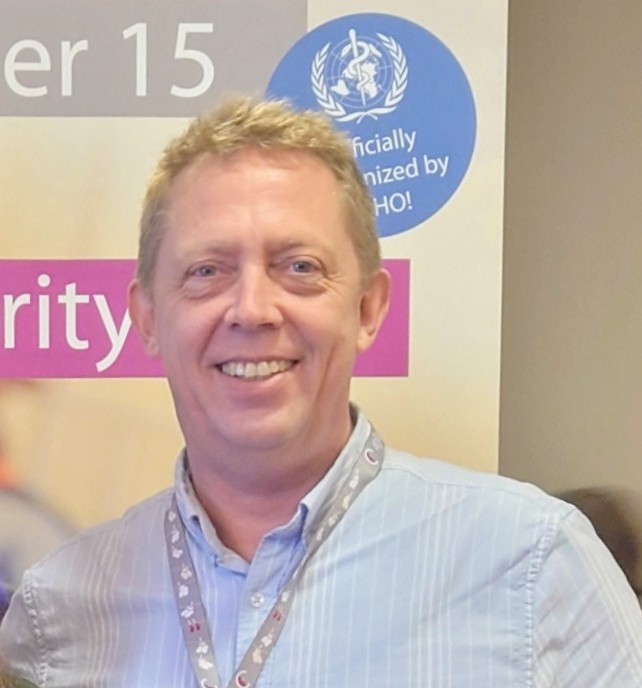
Vilni is a father of a girl and a boy born at week 26 and 43 GA. He has a Msc. Resource Geography & Landscape Ecology from the University of Oslo and works as a Senior Advisor at Statistics Norway.
Vilni chose to be part of IMPROVE PRETERM because of his strong belief that parents are the children’s number one resource persons.
In addition to his role in IMPROVE PRETERM, Vilni has been an active board member of the Norwegian preterm families’ association Prematurforeningen since 2010.
He has been passionately volunteering for developing best possible care for children born too soon and the support of their parents. Vilni often uses his skills and knowledge in research projects that involve parents views and engagement.
Elżbieta Brzozowska
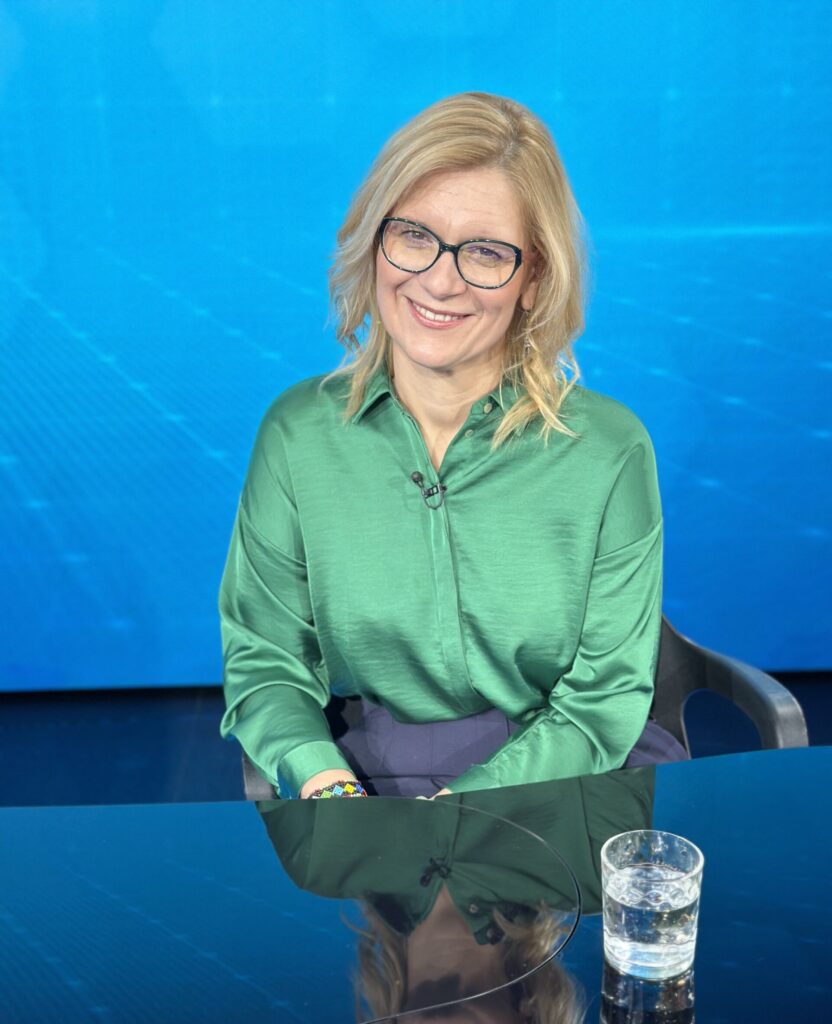
Elżbieta Brzozowska, sociologist, PR and PA manager, co-founder and vice president of Coalition for Preemies in Poland from 2012. Activist publicly speaking on behalf of preterm babies parents. Trainer in communication skills for neonatal teams. Initiator of healthcare and social policy changes in the field of neonatal care and vaccination. Coordinator of social and educational campaigns. Thankful mum of 4 kids – all from high – risk pregnancies. I take part in IMPROVE PRETERM as I believe that common voice is stronger then a single one and we need strength to make the world of preemies and their parents better.
Paula Guerra
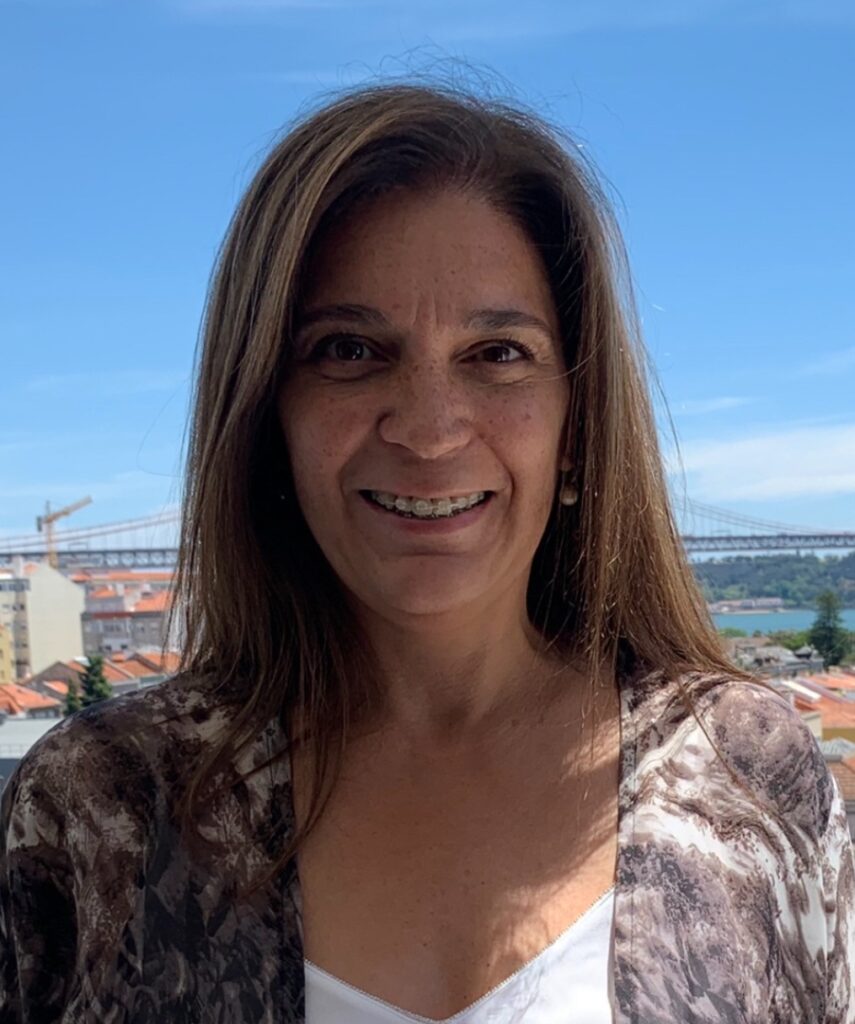
Paula Guerra is a mother of two daughters, one of whom was born extremely preterm at 26 weeks, weighing 615 grams. This personal experience led her to found XXS – Portuguese Association for the Support of Premature Babies in 2008, where she has been an active board member ever since, supporting families through the challenges of preterm birth.
That same year, XXS joined the Global Foundation for the Care of Newborn Infants, and Paula later became a member of its Parent Advisory Board. She has been involved in several national and international initiatives, including contributing to the European Standards of Care for Newborn Health, all focused on improving care and outcomes for newborns and their families.
Her work is closely aligned with the principles of the World Health Organization and the Every Newborn Action Plan, especially in promoting the role of parents as key partners in care and research.
As part of the PPAB in the IMPROVE PRETERM project, Paula brings both lived experience and years of advocacy, helping ensure that families’ perspectives are reflected in research and decision-making.
Dina Hediger
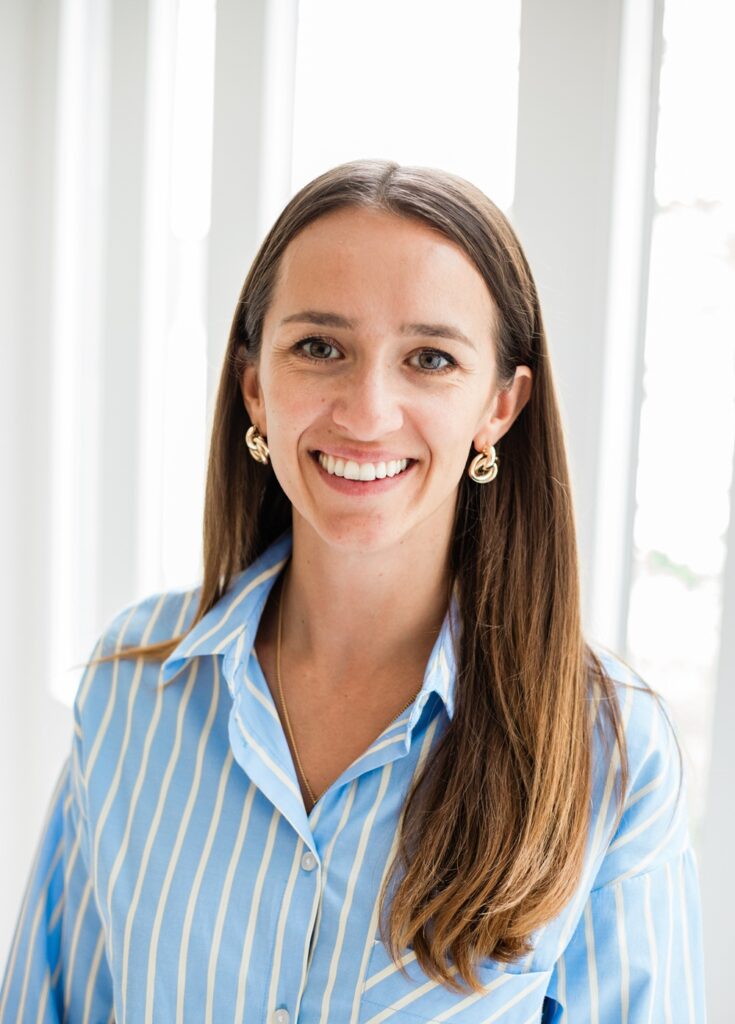
Dina Hediger is the founder and Managing Director of the non-profit organization Frühchen & Neokinder Schweiz and a board member of the Swiss Society of Neonatology. In 2018, she personally experienced an extremely preterm birth with her twins. This lived experience, combined with her strong interest in research and evidence-based care, has shaped her commitment to improving long-term outcomes for preterm infants and their families. Research clearly shows that structured, standardized follow-up care is essential to support early development, identify risks at an early stage, and ensure continuity of care beyond the neonatal period. For this reason, she strongly advocates for a standardized follow-up care program for preterm infants, enabling parents, healthcare professionals, and interdisciplinary interfaces to share a common framework and pursue aligned goals. This motivation is also why she is actively involved in the IMPROVE PRETERM project, which aims to strengthen research-based, harmonized follow-up care and improve quality of life for preterm children and their families.
Maria Hitzschke
Lauren Ingledow
Kristel Kuuk
Mirva Rontti
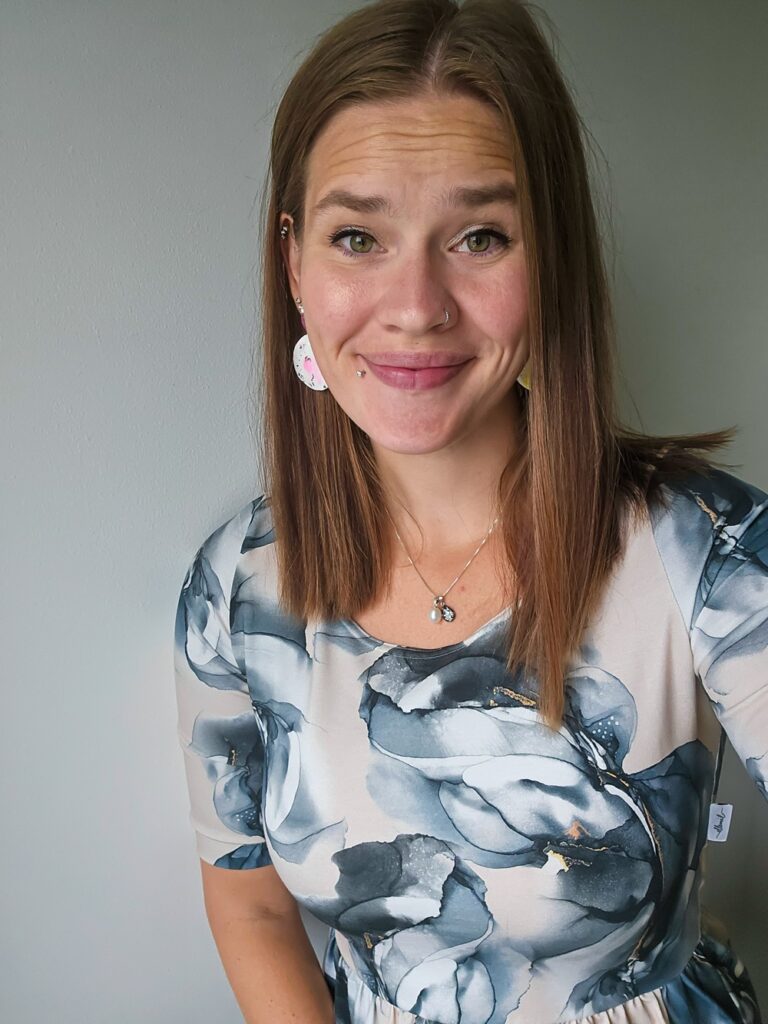
Mirva Rontti is a mother of a child born at 23 weeks’ gestation and a parent representative with lived experience of preterm birth. Her daughter was born at Oulu University Hospital.
Mirva chose to be part of IMPROVE PRETERM because of her strong belief that families must be placed at the center of both research and care. She brings a unique multigenerational perspective to the project: Mirva herself was born preterm at 32 weeks, and her parents have shared how profoundly different preterm care was at that time compared to today.
In addition to her role in IMPROVE PRETERM, Mirva has been an active board member of the Finnish preterm families’ association Kevyt Keskosperheiden yhdistys for three years. Through advocacy, peer support, and collaboration, she is deeply committed to helping develop better ways to support preterm infants and their families. Mirva is grateful to be part of a project where professionals and families can learn from one another and work together toward shared solutions that improve outcomes and experiences for preterm families across the globe.