
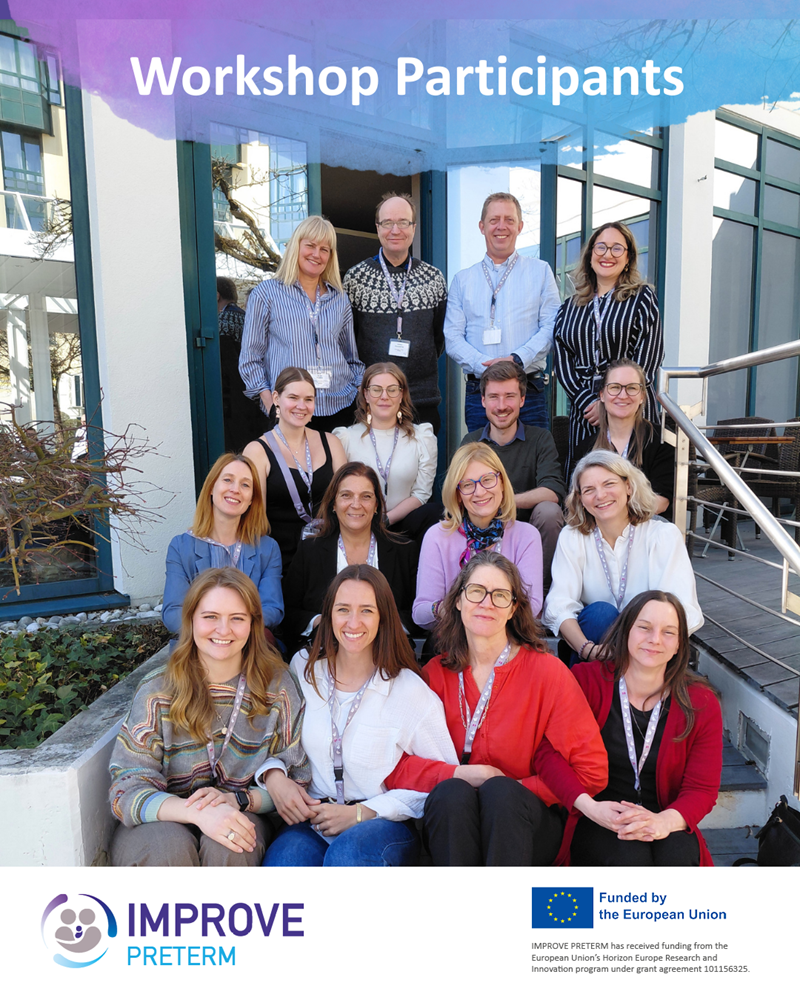
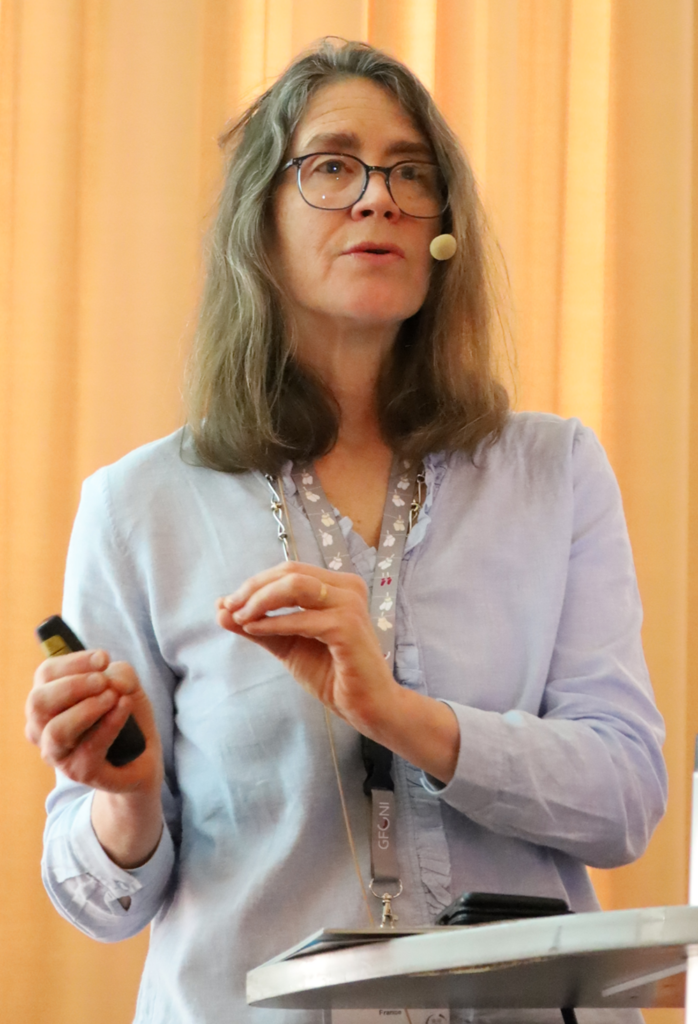
Participants of the IMPROVE PRETERM workshop in Freising, Germany. © GFCNI / IMPROVE PRETERM
On March 19, 2026, IMPROVE PRETERM brought together researchers and members of its Parent & Patient Advisory Board, or PPAB, in Freising, Germany, for a workshop on patient- and parent-valued Core Outcome Sets for research. The aim was simple but important: to identify the outcomes that matter most to people with lived experience of very preterm birth – and that should therefore be measured and reported in future research.
At the heart of the workshop was a question that matters far beyond one afternoon of discussion: How can research better reflect real life after very preterm birth?
For families, the journey does not end when a baby leaves the hospital. Questions about health, development, follow-up, and everyday life can continue for years. That is why IMPROVE PRETERM is working to improve lifelong health for babies born too soon – and why lived experience is such an important part of the project. IMPROVE PRETERM’s family-centered communication and website messaging both emphasize that families are not just affected by research; they help shape it.
What the Workshop Focused On
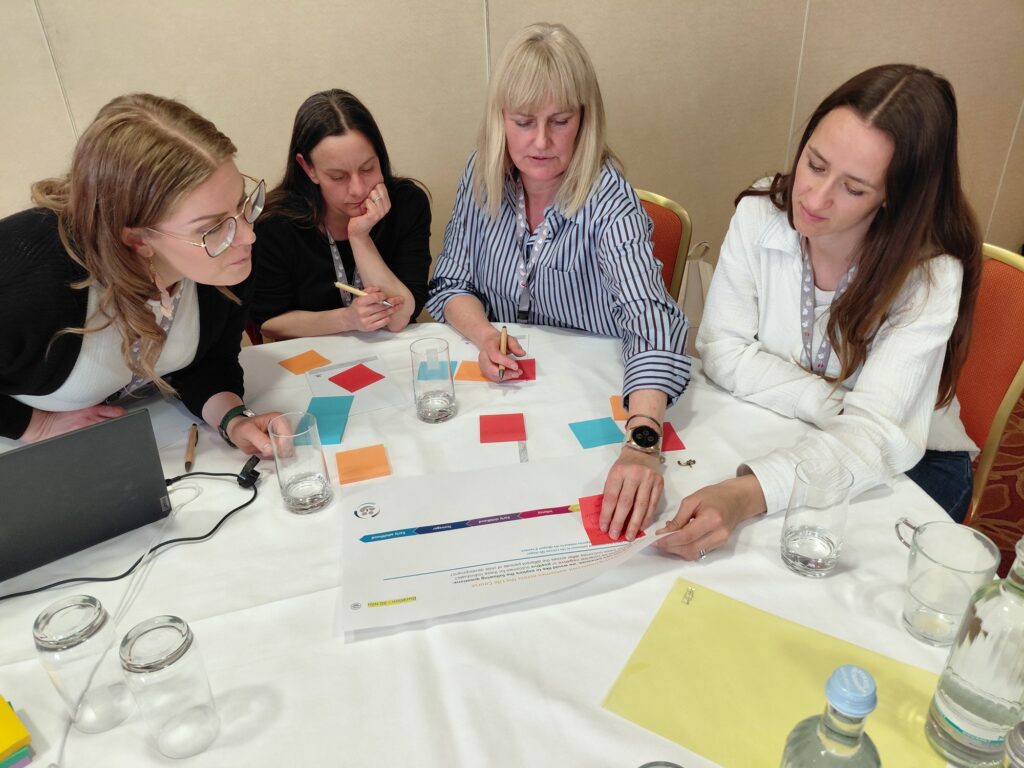
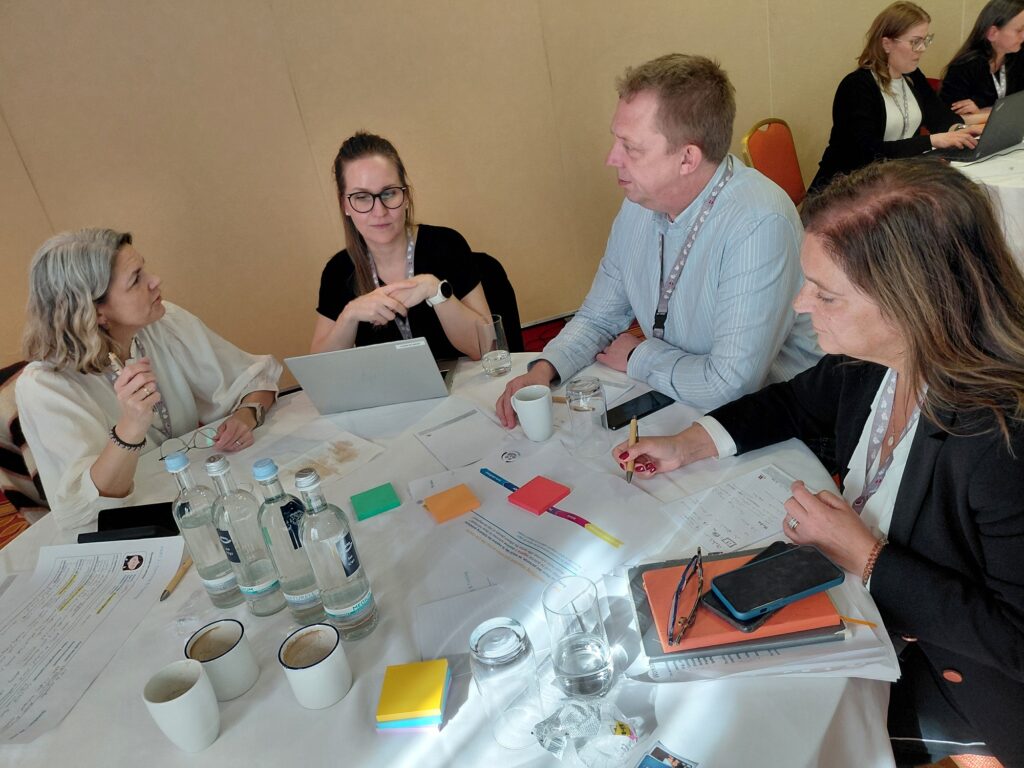
The workshop used a co-creation approach to bring researchers and PPAB members into the same conversation. Together, they explored which outcomes matter most from a lived-experience perspective, with a particular focus on parent- and patient-reported outcomes, parental and patient experiences, and outcomes after discharge. The format included interactive small-group work and person-centered methods inspired by design thinking.
Participants looked at outcomes for different personas and life stages, discussed how important outcomes can be measured, reviewed existing Core Outcome Sets and registry data, and worked to prioritize the outcomes that should guide future research. The workshop was designed not just to generate ideas, but to help build a shared framework for stronger and more meaningful studies.
Why Core Outcomes Matter
Core Outcome Sets are short lists of the most important outcomes that all studies on a specific health topic should measure and report. They help make research more consistent and easier to compare across studies. That matters because when researchers measure very different outcomes, it becomes much harder to combine findings, learn from them, and turn them into better care.
This challenge is especially relevant in very preterm birth research. Some of the outcomes families care about most are long-term outcomes – and those are often harder to capture in studies. IMPROVE PRETERM was created in response to exactly these kinds of gaps: gaps in evidence, gaps in follow-up, and gaps between what research measures and what families and clinicians need in real life. The project aims to build better tools, better standards, and better knowledge to support more relevant and useful research over time.
Why This Matters for IMPROVE PRETERM
This workshop reflects one of IMPROVE PRETERM’s central goals: connecting science with lived experience. The project brings together researchers, healthcare professionals, parents, and advocates from across Europe, and the PPAB plays a central role in making sure research questions, study tools, and recommendations reflect the real needs and priorities of families.
That broader mission matters because very preterm birth can affect health and development far beyond infancy. IMPROVE PRETERM exists to improve the health, development, and quality of life of children and adults born very preterm by generating actionable knowledge about effective interventions around birth and in early childhood, while integrating the needs and values of affected individuals and families. In other words, this workshop was not a side activity. It was part of the project’s wider effort to make research more meaningful, more person-centered, and more closely connected to real-world care.
The Role of the PPAB
One of the clearest messages from the workshop was that parent and patient perspectives are not an optional extra. They are essential.
The PPAB is at the heart of IMPROVE PRETERM. It brings together parents of preterm children and adults who were born preterm themselves so that lived experience can directly shape the project’s research, communication, and recommendations. Throughout the project, PPAB members work closely with researchers, healthcare professionals, and policymakers to help build a stronger, more family-centered foundation for improving care and long-term outcomes after very preterm birth.
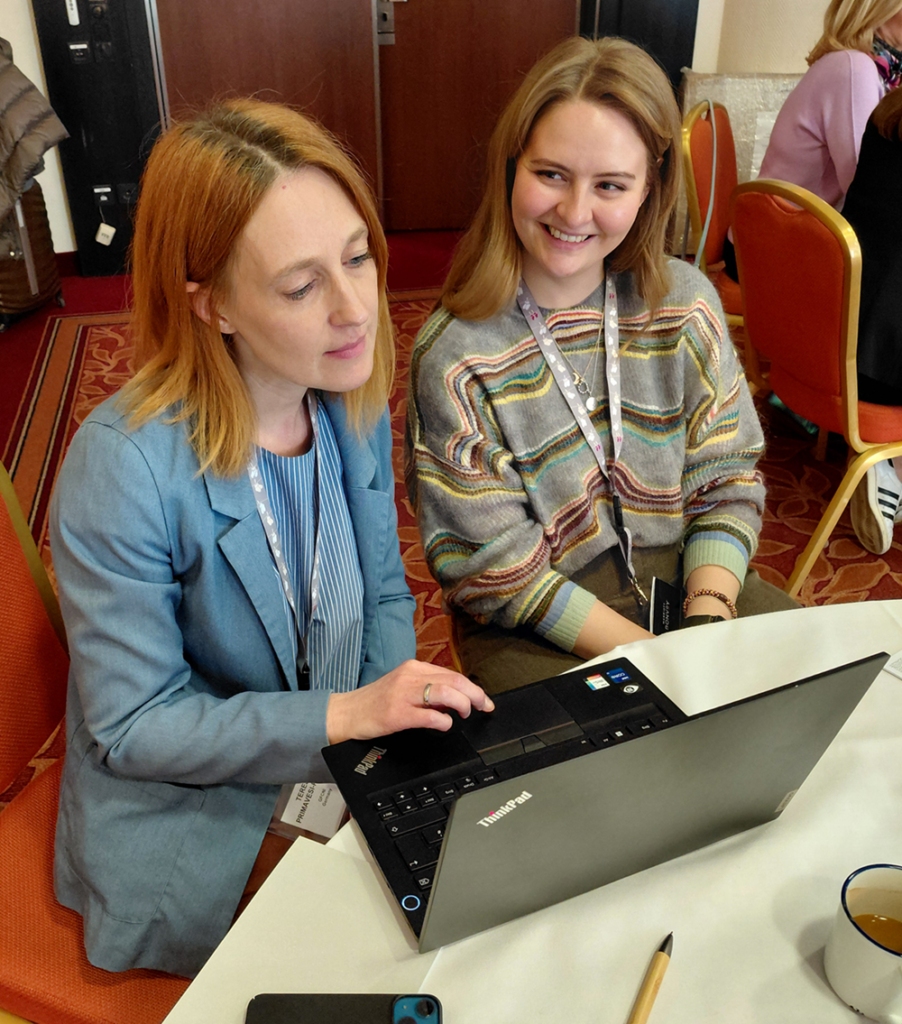
That same principle shaped this workshop. PPAB members’ lived experience was central to the process. Their contributions helped keep the discussion grounded in what matters most in everyday life – not just what is easiest to measure.
What Happens Next
The work from this workshop will feed into upcoming thematic studies within IMPROVE PRETERM, including research on antenatal and postnatal corticosteroids, follow-up programs, and vaccination-related studies. The results will also help shape future research recommendations.
This fits directly into the project’s bigger plan. Over the coming years, IMPROVE PRETERM will deliver a lifecourse Comparative Effectiveness Research framework, outcome standards, methodological guidance, and tools such as the PARCA-5/7 parent-reported follow-up questionnaire. Together, these efforts aim to strengthen research and improve care for children and adults born very preterm.
Looking Ahead
Better research starts with better questions. And better questions come from listening to the people whose lives are most affected.
By bringing researchers and PPAB members together in Freising, this workshop helped move that idea into practice. It created space to think carefully about what should count as a meaningful outcome after very preterm birth – and how research can better reflect the realities families live with over time.
That is what IMPROVE PRETERM is working toward: research that does not stop at survival, but helps build better lifelong health, better follow-up, and better care.